Rebirth Of A Long Runner: A Journey Onboard The Only BEST Bus Through The Eastern Freeway

On 9 May 2025, the Brihanmumbai Electric Supply and Transport (BEST) Undertaking implemented a fare revision after sticking to lower ticket fares for nearly six years. This directly impacted most feeder routes as one way fares doubled but unlocked the potential to re-introduce long routes as the fare slabs were now available for up to 50kms. While the Undertaking is working on introducing a 3km fare slab for feeders routes, a new trunk route was introduced on 1 June 2025. The route A-490 operates from Dadlani Park in Thane to Mantralaya, via the Eastern Freeway.

Currently limited to just two trips in each direction from Monday to Saturday, A-490 aims to cater to the peak hour rush. While the bus is struggling to gain enough ridership, I took a ride from Mantralaya to understand why.

History

The Eastern Freeway is a toll-free, access-controlled road, completed in three stages – Orange Gate to Wadala, Anik to Panjarpol and Panjarpol to Ghatkopar-Mankhurd Link Road. The road up to Panjarpol Circle was inaugurated in 2013 and the section up to Mankhurd Link Road was opened in April 2014. The extension of this Freeway up to Mulund is still under construction.

BEST operated two Express routes along the Eastern Freeway – C-8Exp from Shivaji Nagar to Mantralaya and C-50Exp from Vashi to World Trade Center. Once the entire stretch was opened, BEST started A-8Express using their JCBL Cerita fleet from Mulund to the World Trade Center. The route was shut down after BEST discontinued all air-conditioned services in 2017. C-50 and C-8 eventually merged into a new route A-21 from Anushakti Nagar to Electric House during the route rationalisation of 1 September 2021. On 1 July 2022, the route was converted to an AC route and renumbered to A-26 which is presently in service. However, A-26 uses the Eastern Freeway between Jijamata Nagar (Mahul) and P D’Mello Road. A-490 on the other hand uses the entire stretch of Eastern Freeway from P D’Mello Road to Ghatkopar-Mankhurd Link Road.

Journey

Left to Right: Bus A-490, booking a ticket via the Chalo App and the view of the Easter Freeway from the front of the bus. (Photo: Gandharva Purohit for BESTpedia)

At 5:30pm in the evening, my bus started from Mantralaya for its 43km-long journey to Balkum – Dadlani Park. Eight passengers including me boarded from the first stop and ten more boarded at Dr Shyama Prasad Mukherjee Chowk (Museum), only to alight at Chhatrapati Shivaji Maharaj Terminus (CSMT). The bus had to do a detour via Mint Road citing manoeuvrability issues in taking a left at the GPO Signal. Post Carnac Bunder, there were just ten passengers onboard (including me) for the Freeway Ride. Two more passengers boarded post Indian Oil Nagar on Ghatkopar-Mankhurd Link Road.

Ramabai Nagar was the common point where this route runs parallel with A-491 (earlier known as C-42Exp) to Dadlani Park. The bus was fairly vacant with just half of the seats occupied as we pulled outside Ghatkopar Depot for an unscheduled halt. After a 10min halt on the main road, we continued on the congested Eastern Express Highway. Meanwhile, a passenger accidentally boarded our bus by reading Mantralaya on the destination board but realised this bus was heading to Thane. It took another 50 minutes for the bus to reach Mithagar, Mulund East where I alighted at 7:47pm.
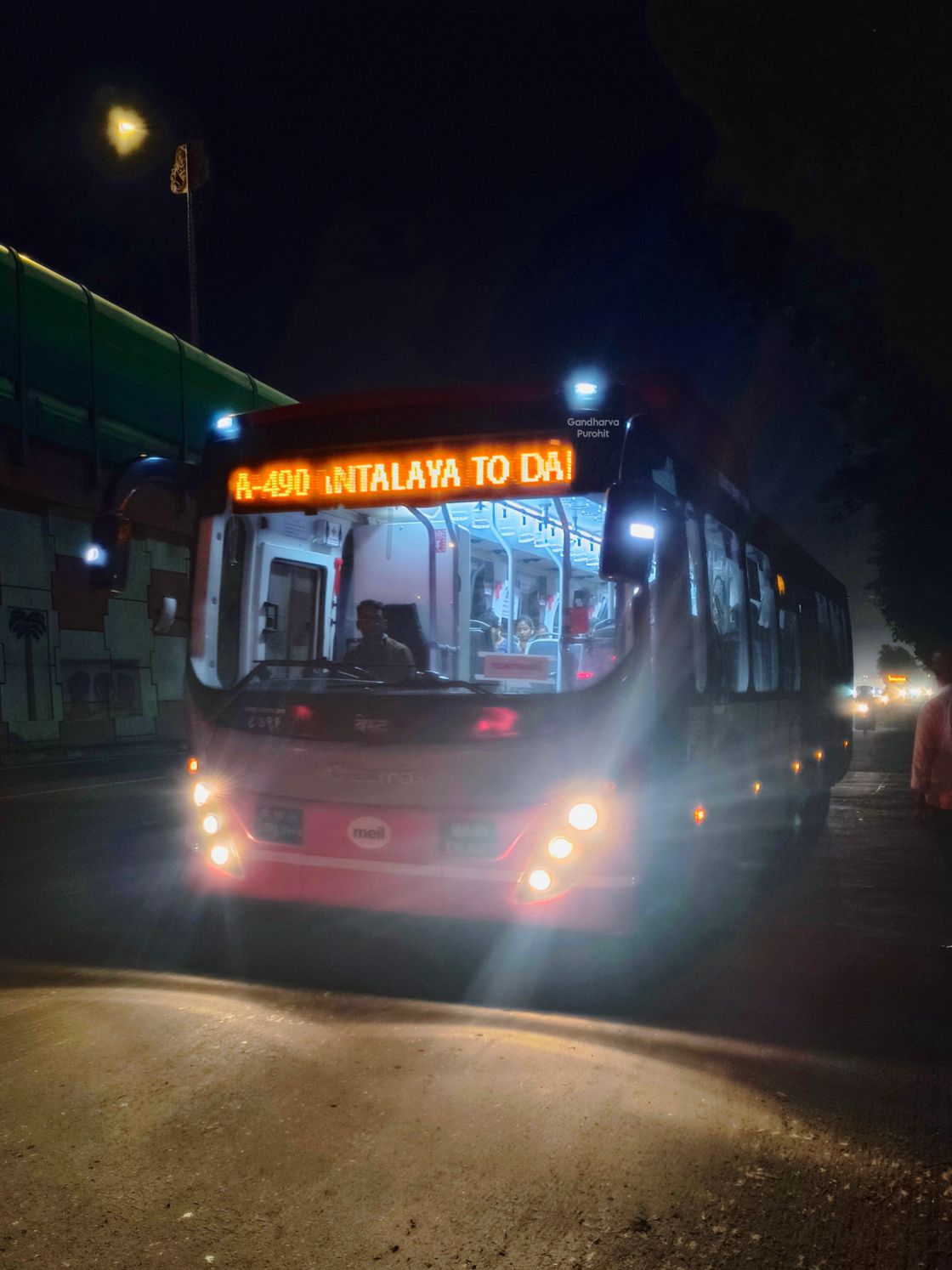
A view of BEST Bus A-490 at Mithagar, Mulund (Photo: Gandharva Purohit for BESTpedia)

In comparison with taking route A-138 to CSMT followed by a Thane slow local, my travel time was fair, coming under the two hour mark while the traffic congestion and unpredictable signals on highway resulted in a 2:17hr journey. Normally, the first bus reaches Mithagar by 7:20pm. It is difficult to imagine how the driver managed to reach Dadlani Park as traffic on the highway gets worse after entering Thane.

Conclusion

If someone from BEST is reading this, we’ll be more than happy if the following solutions are considered.

  • Limited stoppages with proper promotion attracting the passengers to opt for this bus. Taking the Ghatkopar Depot flyover similar to A-491 will save time.
  • The route board or display mentioning just the destination along with “via Eastern Freeway” will help improve the discoverability of this bus. The existing “source to destination” format creates confusion that can be solved with focusing on the destination and the route taken.
  • Sticking to peak hour time slots with an increase in schedules from two to four as more buses get inducted in the fleet.

This article is aimed to have a solution-oriented approach that is beneficial for both the passengers as well as the Transport Undertaking. BEST is losing its aged fleet with every passing day but the induction of brand-new buses from Olectra has gained pace in 2025, retaining the hope for survival. With the fare revision and fleet expansion in place, patience is the only thing we passengers have to offer.

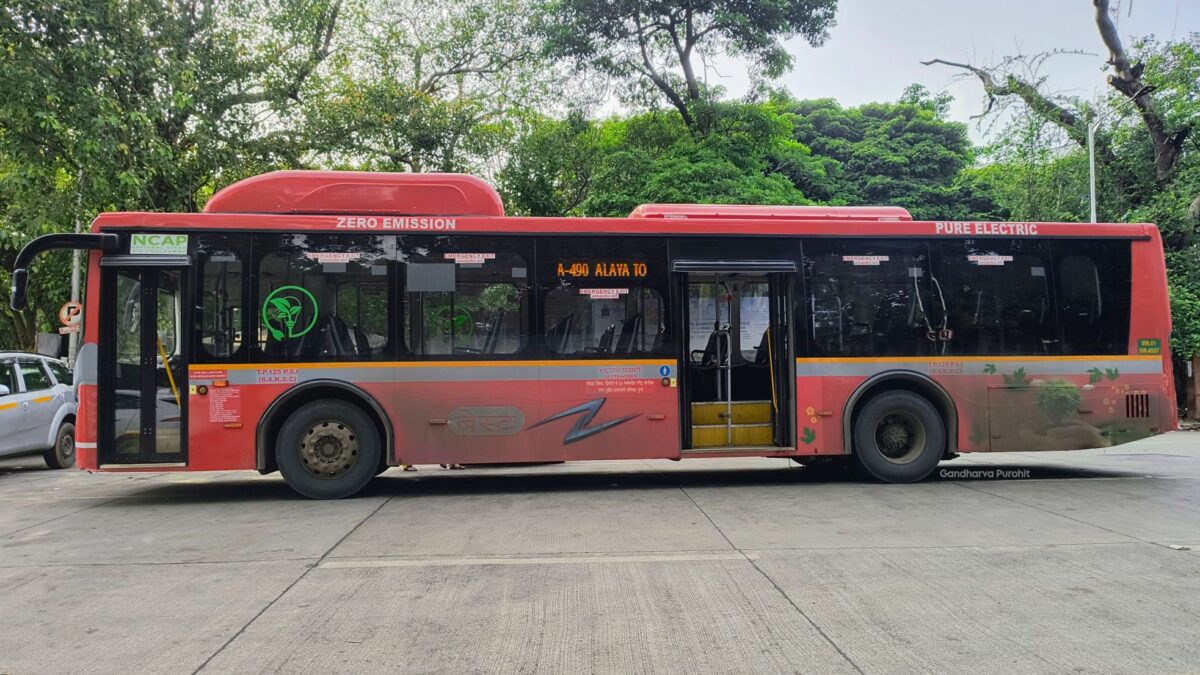
Featured Image: Side View of Bus A-490 at Mantralaya (Photo: Gandharva Purohit for BESTpedia)

Loading

Flattr this!

We Should Have A Few Cats On Public Transport Systems In India

Alright, this might seem a little offbeat but hear me out. Let’s talk about cats. Cats are wonderful creatures. Sure, they may be naughty but they’re great at making people feel better. And they’re cute.

The internet is rife with pictures and videos of cats and kittens at various public transport hubs across the world, especially in Istanbul, Turkiye. Recently, videos went viral of a feline napping atop the turnstiles at a metro station in Bengaluru.

Since then, I’ve observed numerous felines across multiple transit points – mostly metro stations – across Bengaluru, Mumbai, Chennai and Pune. In each case, someone either petted them or just gushed in excitement. I did both.

Cats are excellent creatures in public spaces. Apart from being adorable, they help in keeping pests under control. They’re natural predators and can easily take down mice, rats, pigeons and other creatures that can cause disease.

Take the Chief Mouser to the Cabinet Office in United Kingdom for example. It’s role, as the title specifies is to catch mice in the government office. The role originated in the 1500s and has been prominent given how London was rife with rodents – often carrying disease-causing germs – which also ate a lot of the governments documents. Of course, that may not be the case now, but who does go “awwwww” when they see Larry the cat? Or remember the story of James Bowen (who sold the street newspaper The Big Issue) and his cat Bob?

There are numerous examples of cats in public transport. They’ve been known to board buses, trains, or just sit at platforms and sometimes take a nap atop a turnstile. They’ve been seen across the world, not just in the UK or Turkiye, but in Japan, France and other parts of the world.

Contrary to popular belief, cats are not some evil, self-serving creatures, but extremely lovable and cute animals. And they’re extremely adorable.

So what’s your view on this?

Featured Image: A Cat sitting near a Train (Image generated via OpenArt using Flux/Cute Crayon)

Loading

Flattr this!

Silcon Valley Reinvents The Bus With Uber Introducing “Route Share”

In a twist that’s almost as surprising as finding a techie without a smartphone, the clever folks at Uber over in Silicon Valley have set their sights on reinventing something we all thought was already pretty nifty: the bus. Yes, you heard it right! Those “innovative minds” from the San Francisco Bay Area have become quite the modern-day alchemists, turning the mundane into the “revolutionary,” from homelessness to success, and even trains.

Last month, Uber rolled out a new feature called “Route Share,” which promises cheap, fixed-route rides during those delightful rush hours in various American cities. Now, if this doesn’t make you think of your good old neighborhood bus, I don’t know what will! But wait, there’s more. This feature lets users save nearly fifty percent off the standard UberX fare. Imagine that! Shuttles will chug along predetermined routes every 20 minutes, all thanks to Uber’s Movement platform, which has more data on route patterns and traffic than your grandma has recipes.

Now, Uber isn’t exactly new to the shuttle game. They’ve had a Shuttle feature for a while, using different buses depending on the city. In India, they’ve even started using electric buses manufactured by Eka Mobility. Fancy, huh? These buses generally follow the Chalo Bus Model, and in Gurgaon, Uber operates something called Gurugaman Plus. It seems like Silicon Valley has indeed reinvented the bus, for probably the umpteenth time.

But let’s not stop there. Silicon Valley has a knack for reinventing all sorts of things. Taxes? Reinvented. Trains? Reinvented. Homelessness? You guessed it—reinvented. Elon Musk’s grand Hyperloop concept was essentially a high-speed rail, or in this case, a Maglev rail, dressed up in futuristic garb. And his Boring Company? Well, building tunnels for vehicles isn’t exactly a new idea, but hey, it sounds cooler when Elon does it.

When it comes to Uber, Ola, and their various counterparts, the difference is mostly that you can book a ticket on the bus, pay with the app, and have guaranteed seating. Essentially, what was already a feature in inter-city buses has now become a feature in intra-city buses. It’s like when Reliance Jio, after its ‘free’ phase during launch, essentially offered postpaid rates for prepaid plans. Groundbreaking, right?

And let’s not forget Ola’s Share Express feature in India, where you’d be picked up at specific points en route, just like a bus stop. It’s almost as if someone looked at a bus and thought, “What if we made it… an app?”

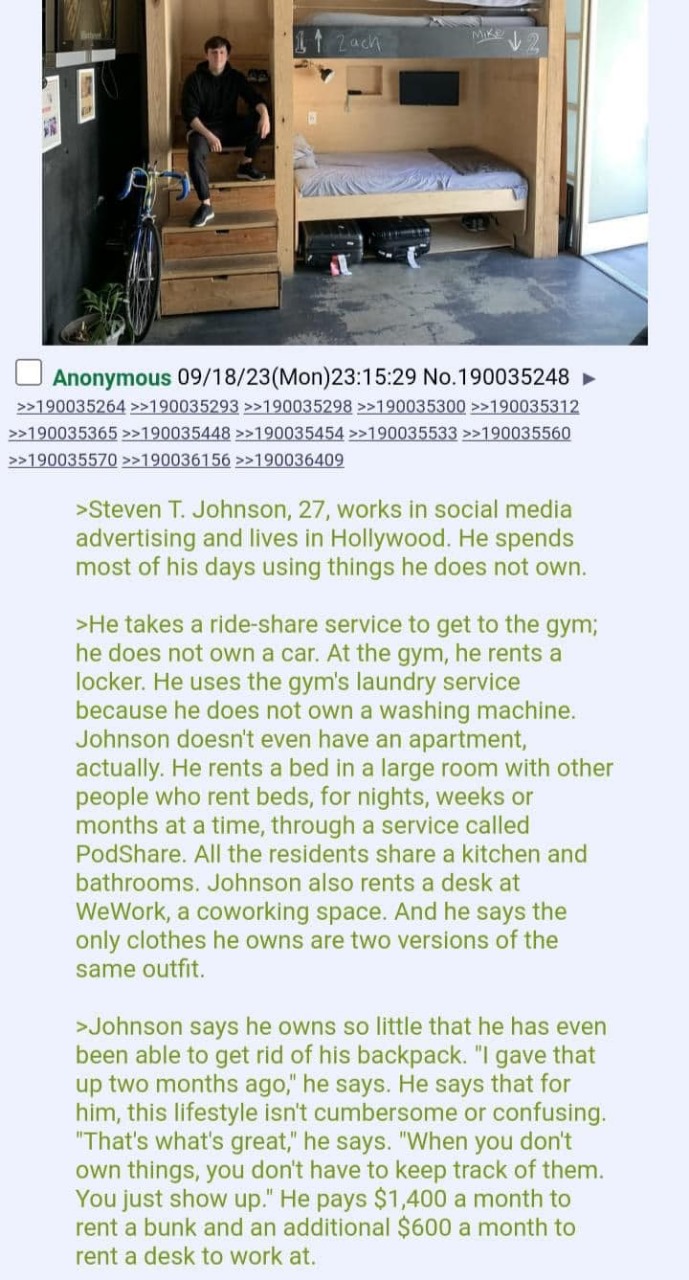
In case you’re wondering: A company named Cooperative Capital allowed neighbours to pool in money to enable them to ‘invest’ in their communities. That’s taxes. As for homelessness; well, the image below should help.

Did Silicon Valley reinvent homelessness?

Featured Image: Silicon Valley reinventing the bus, not metaphorically, but literally, generated by Apple Intelligence

Loading

Flattr this!

Lack Of Change Pushes Private Buses In Kolkata’s IT Sector To Accept UPI

In a very interesting twist of events, a few private bus operators plying along the tech areas of Kolkata have decided to accept UPI payments due to an issue with spare change. One some routes, bus operators have to shell out commissions of up to 10 per cent to get change for larger amounts, leading to significant losses. Thus, they’re looking at digital payments to plug leakages, according to a Times of India report dated 31 May 2025.

Several buses have started doing this, and based on the success rate, all 38 buses on the route may switch to digital payments. Most of the buses ply on the Barasat, Santragachi, Botanic Garden, Howrah Shibpur, route which serves passengers going to New Town.

The move was welcomed by a lot of people, including those from Kolkata Bus-O-Pedia, a Facebook group of busfans. Members of the group said that they had seen the system in use in Bengaluru on BMTC buses. They also cautioned bus owners and asked them to frame the QR code to prevent it from being manipulated.

Fun fact: A nearly identical article by the same author (Dwaiyapayan Ghosh) featuring similar quotes was published by the Times of India on 25 January 2023.

At this time, I am yet to ascertain whether WBTC buses accept digital payments or not although I know they have printed tickets.

Featured Image: Cartoon Man Scanning QR Code inside Bus (Le Chat/Mistral AI)

Loading

Flattr this!

The Rise Of GenAI And Its Terrible Effects On Blogging

Alright, please do bear with me for this rant. It has nothing to do with buses, public transport or anything else on this blog for that matter. However, it has everything to do with the blog as a concept and also the media industry in general. I spent a considerable amount of time pondering where to post this – here, on my older Blogger account, on my Medium account or on LinkedIn – and eventually chose to write this down here.

Remember when we first heard about the buzzwords like Artificial Intelligence (AI) and Machine Learning (ML) and other terms like neural networks, natural language processing and all? We all expected KITT from Knight Rider. Or at least expect Bonzi Buddy or Microsoft’s Clippit (also known as Clippy) to understand what we were saying and respond. Instead, what we got was well …..

Come 2010s and the possibility of AI actually generating coherent looks like a real possibility. And thus begins the so-called AI boom with an explosive number of Generative AI or GenAI products out there such as OpenAI’s ChatGPT, Google’s Gemini (formerly Bard), X’s Grok and others.

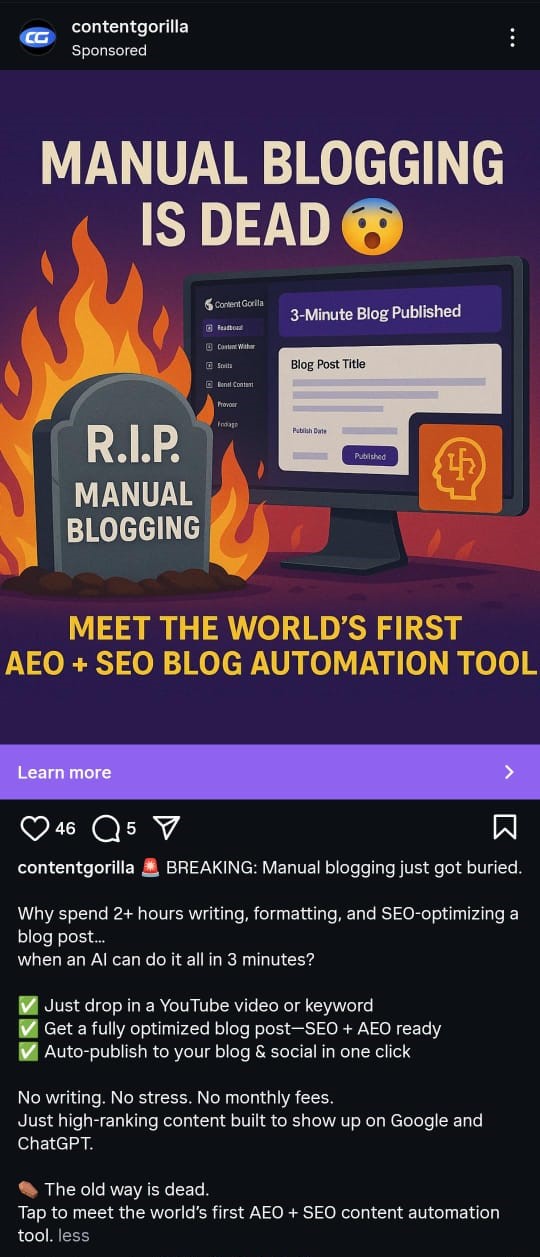
Now the reason for this post is an ad that I saw earlier that irked me.

The ContentGorilla Ad that declared that 'Manual Blogging' is "dead"
The ContentGorilla Ad that declared that ‘Manual Blogging’ is “dead”

The ad was from a company called ContentGorilla that declared that ‘Manual Blogging’ was “dead” and in its caption, said ‘Why spend 2+ hours writing, formatting and SEO-optimizing a blog post’.

Now before going forward, let me iterate that there is no such thing as ‘Manual Blogging’. Let me also reiterate that I have nothing against this company in particular either. It’s just that there has been a lot of resentment among bloggers due to the rise of GenAI and this nonsensical ad just brought out that resentment, at least in me.

What is being described here as ‘Manual Blogging’ is in reality, BLOGGING. Anything else, is just junk, or spam. If you want to know why, let us just look at the etymology of blogging. The term is a truncation of the phrase ‘weblog’. It evolved from an online diary where people gave a running account of their lives. Early bloggers often referred to themselves as ‘diarists’ and ‘journalers’.

The purpose of blogging is to write. That requires passion, and not a tool to offer SEO-optimized paragraphs peppered with words to grab the attention of search engines. Bloggers write for an audience. That audience is human. We write for people. Tools that are offering to write an entire SEO-optimised blogpost? Well, you’re just doing it for another machine right? So let the machines talk to themselves, while we humans write to each other.

If it were up to whatever such GenAI programmes are offering, people wouldn’t be blogging anymore. Why should we? The purpose of blogging is to express oneself. And a machine cannot do that. It can at best create an illusion of doing so.

As this blog nears its tenth anniversary, I’d like to reiterate that I’m not using any GenAI tools for the content. I may use them for the images, but even there they are all junk.

Big Tech had already made it difficult for small bloggers like me by hurting revenue streams and censoring us. Google still refuses to index certain webpages and has stymied ad revenue by two-thirds of what it was earlier. GenAI is just making it worse for us by flooding the internet with machine-generated text that is mostly junk. If you’re main audience is a machine, then why bring the human into the picture?

The internet is getting saturated with GenAI’s junk, thus hurting those of us who have a genuine passion for the art and craft of writing.

On that note, to all those millionaire and billionaires in India who claimed that we don’t need our own Large Language Models (LLMs), I have a middle finger to offer you. I spent a good part of the day trying to generate pictures of a RuPay Card for the NCMC and even there, I was thrown Visa and MasterCards.

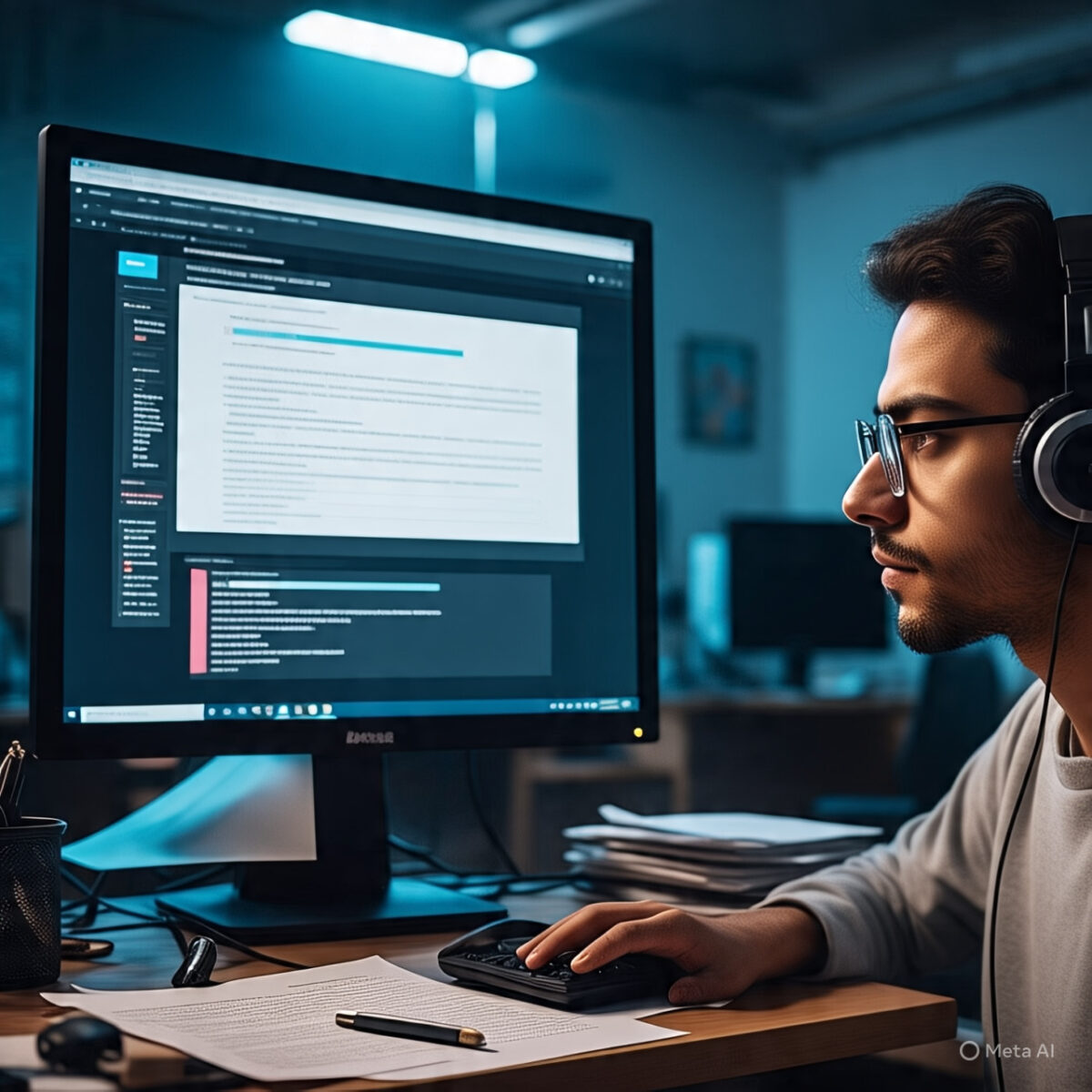
Featured Image: What AI thinks a person sitting in front of a screen using AI to write a blog post looks like (Llama/MetaAI)

Loading

Flattr this!