A little over four years ago, I had attended Prime Minister Narendra Modi’s Make In India Week where among many things, I saw a few interesting vehicles. Among these, I saw Scania’s ethanol-blend Bio-fuel bus that was operational with Nagpur Mahanagar Parivahan Limited (NMPL) and subsequently also with the Kadamba Transport Corproation (KTC) in Panaji, Goa, Volvo’s 8400 B7RLE Diesel-CNG Hybrid bus that was trial with the Navi Mumbai Municipal Transport (NMMT) undertaking and a the world’s largest dumper from Bharat Earth Movers Limited (BEML). Note: A dumper is not the same as a dump-truck.
I also saw an air-conditioned Minibus from Force Motors, albeit with fully-sealed windows which I said would be great for feeder services to metro stations. And just like I said, similar buses ended up being used by BEST three years as feeder buses. Here is a picture of the bus that I saw in 2016.
While BEST didn’t get these exact buses, it did get similar buses.
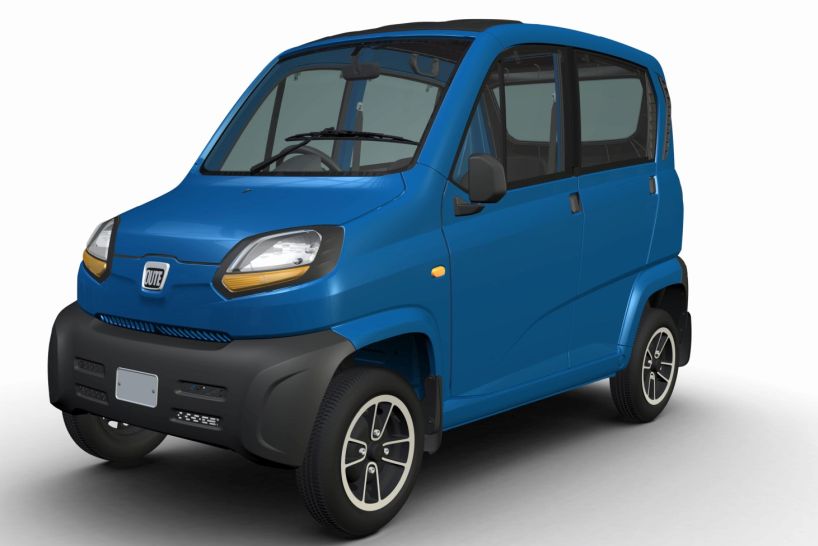
Now, the most interesting thing I saw there was the Bajaj Qute. Note: It does look cute.
Powered by a 200cc engine that can produce an output of 20bhp, the Qute is classified by the government as a “quadricycle” and therefore can only be used to replace auto-rickshaws.
This is the picture of the Qute that I clicked in 2016. The Qute has received intense criticism, mostly from Bajaj’s peers in the auto industry, especially Piaggio which also manufactures auto-rickshaws. Piaggio in fact wanted the Qute to be deferred by at least two-three years (in 2013) in order to provide a level playing field for auto-rickshaw manufacturers. Others in the Society of Indian Automobile Manufacturers (SIAM) too lambasted the Qute for myriad reasons, from its weight to its emissions.
However, in late February this year, I was mildly surprised when I boarded one of BEST’s mini-buses at Andheri Station (West). In the middle of the sea of auto-rickshaws, I saw a Qute, with a board inside it saying ऑटो रिक्षा and a sticker indicating that it ran on CNG. While I couldn’t see where the fare-meter was, the vehicle was occupied.
Here is the Qute that I spotted at Andheri.
When I saw it, I was excited and quickly whipped out my phone and clicked a photo. And naturally, I tweeted it out within minutes.
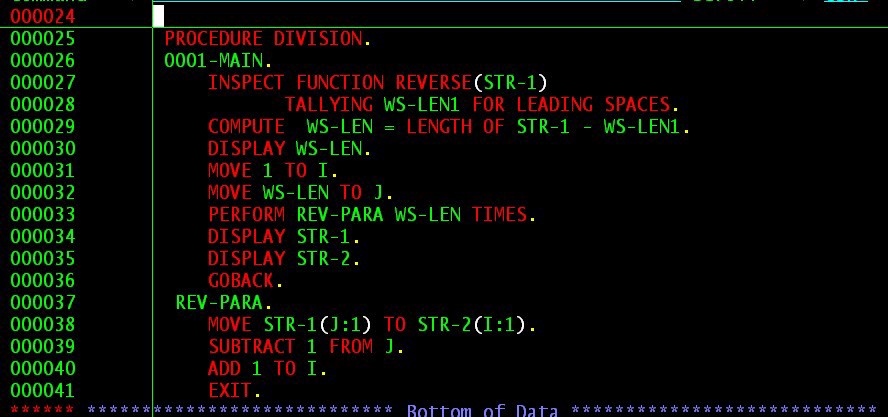
As the ongoing Wuhan Virus pandemic goes on a rampage, the state of New Jersey in the United States has a peculiar problem. Governor Phil Murphy at a press conference earlier said that the state needs volunteers who possess “Cobalt” programming skills. He was talking of course of COBOL.
Common Business Oriented Language, or COBOL was a programming language introduced in 1959 as a way to write computer programmes for people who didn’t posses an aptitude for coding but had a reasonable command over their English. Of course, I studied COBOL in 2011 in Coimbatore in a class where not everyone knew English. But then, we’re a nation of non-native English speakers.
In a blog post for Coding Horror, Jeff Atwood stated that in 2009, around 220 billion lines of COBOL existed. That’s a crazy amount of COBOL programs (considering the fact that COBOL programmes are way longer than their equivalents in other conventional languages). COBOL systems handled millions of transactions, connected mobile phones, transported shipping containers and controlled air traffic! This is as recent as 11 years ago.
In fact, in 2017, a firm named Expeditors based out of Seattle, Washington was hiring COBOL developers to run a logistics platform!
This kind of Legacy Tech, would have cost a lot in investment and would have cost a lot more to upgrade at a later stage.
Now, to be honest, getting hold of a COBOL programmer in India isn’t that difficult. Several universities had COBOL till the as far as five years ago.
The point is, COBOL and also Fortran are extremely outdated languages, thus making it difficult to provide upgrades to features. Any new feature would have cost heavily in hardware upgrades. Let’s be glad, we got too the scene a little later.
Note: This was meant to be a much longer post but kept getting delayed so I put it out as it is.
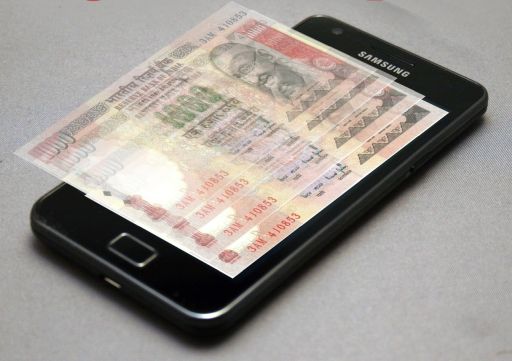
The last few weeks have been rather worrisome for many businesses due to the ongoing Covid-19 pandemic, not only because of the state of the economy but because they deal primarily in cash. A government notification in March also advised users to avoid cash and instead digital platforms as a safety measure. Viral videos on popular social platforms of people licking currency notes and wiping their noses with them has furthered the paranoia.
When Prime Minister Narendra Modi announced demonetisation in 2016, it did lead to a boom in digital transactions, especially with wallets such as Paytm but eventually with Google getting onto the Unified Payments Interface (UPI) bandwagon, cashless payments began to soar. As per data from the National Payments Corporation of India (NPCI), the UPI platform witnessed a record ₹1.31 billion in transactions in December 2019 with the total transaction value exceeding ₹2 trillion.
While demonetisation did not give digital transactions the necessary push – most people returned to cash once the shortage had ended – the ongoing pandemic may inadvertently do just that. A 2009 CNN report said that nearly 90 per cent of American currency had traces of cocaine on them. Given that hygiene is not a big issue in India yet, one can imagine the kind of substances that are present on Indian currency – it doesn’t have to be opioid, just dirt and germs.
This would be an ideal time for the government to slowly push for more digital transactions. With the 2019 Union budget doing away with merchant charges for merchants with an annual turnover of above ₹50 crore, the time is ripe for us to rethink stepping into the digital world. The sentiment isn’t restricted to India alone. An Op-Ed on Bloomberg highlights why Apple Pay is looking like a good alternative in the United States to both cash and credit cards. While Apple Pay is yet to enter India, we already have a host of digital payments systems, most of which are based atop NPCI’s UPI platform while some retain independent wallet-based mechanisms of their own.
The biggest hurdle however will continue to be the lack of banking access for many. A 2016 report by PriceWaterhouseCoopers stated that the number of Indians without a bank account went down from 557 million in 2011 to 233 million in 2015. Of these, 187 bank accounts were opened under the Pradhan Mantri Jan Dhan Yojaya (PMJDY) alone. While many of these accounts haven’t been used much since their opening, that is not a problem. While urban India can be persuaded to switch to UPI-based platforms, rural India can use the NPCI’s National Unified USSD Platform (NUUP)or *99# service that works with basic phones for smaller transactions. For those who don’t have mobile phones, the RuPay debit card is always there.
In order to start the shift to digital transactions, the challenge would not be with larger players but the smaller ones. The local grocer, tea stall and bakeries are what need to be targeted. Add to that the discounts offered by UPI apps such as Google Pay, Paytm or KhaaliJeb – the latter offers discounts to students – getting more people on the platform is relatively easier.
The next step would be to target the transit sector. While rail is generally covered with the Unreserved Ticketing System (UTS) app and metro rail is covered by smart cards and app-based systems, the focus should be on buses. Very few cities have managed to go completely digital in the field of bus ticketing, with Mumbai being the shining example. In order to better facilitate this, the Centre needs to rush the much-delayed National Common Mobility Card (NCMC) that was announced yet again in 2018. While urban bus services are easier to handle, the rural sector needs be prioritised as that is what will lead to a mass movement.
By targeting specific sectors, the financial sector has a higher chance of success rather than a generalised approach. In order to incentivise the shift, the Reserve Bank of India may need to slash a few transaction charges like 2016. Once the shift reaches critical mass, a sunset policy for incentives need to take over. Countries like Sweden allow traders and retailers to refuse cash under the Freedom of Contract and this needs to find a way into our legislation as well.
The biggest advantage of going cashless – not counting the associated risks of handling dirty money – is that it eliminates small loses in the form of lose change going missing. In the long run, it paves the way for the government to finally look at slowly doing away with Income Tax and replacing it with a Transaction Tax.
The ongoing pandemic has given us opportunities to take things forward to a new level, albeit unintentionally, and we should seize the moment and get things done.
If you liked this article, please do consider becoming a patron.
In 2014, when Prime Minister Narendra Modi announced the launch of the Swachh Bharat Mission (SBM), it was met with mockery from all circles. While the Opposition chose to call it a rebadged version of the previous government’s Nirmal Bharat Yojana, many questioned the government’s priorities. Indeed, SBM became the Modi government’s most highlighted campaign and has attracted a lot of feedback. It has been praised by many such as Bill Gates, while many chose to call its “coercive nature” an attack on freedom.
The rural component of SBM focussed on building toilets for villagers, and sadly many villagers didn’t take to using them. A Nikkei report however did speak of the fact that it helped women avoid having to out to the fields in the middle of the night, thus ensuring their privacy and safety.
On the urban front, the SBM is far more complex. It looks at tackling municipal solid waste – both collection and processing – and setting up more public toilets and included a crucial section on inculcating a behavioural change. The Swachh Sarvekshan sought to get cities into a friendly competition to see who does best, but that too has its constraints.
Let’s Make Bharat Swachh Again
We must understand that the Prime Minister cannot keep the entire country clean. That is not a possible scenario in a federal structure like ours where local governments may be run by different parties with different priorities. Furthermore, we as a collective society have come to expect our government to do everything, when the real change needs to begin with ourselves.
The fact that after nearly seventy years of independence, the Prime Minister had to prioritise Cleanliness and Sanitation as a national mission speaks volumes of our mindset as a collective group. At the same time, while many accuse SBM of being a rebadged version of previous programmes such as the Total Sanitation Campaign or Nirmal Bharat with more emphasis on advertising, one thing must be kept in mind – publicity works. Good public relations (PR) is important for anything to succeed, which is why currently, it looks like PM Modi is doing little with Kerala Chief Minister Pinarayi Vijayan comes across as a messiah.
Swachh Bharat And Covid-19
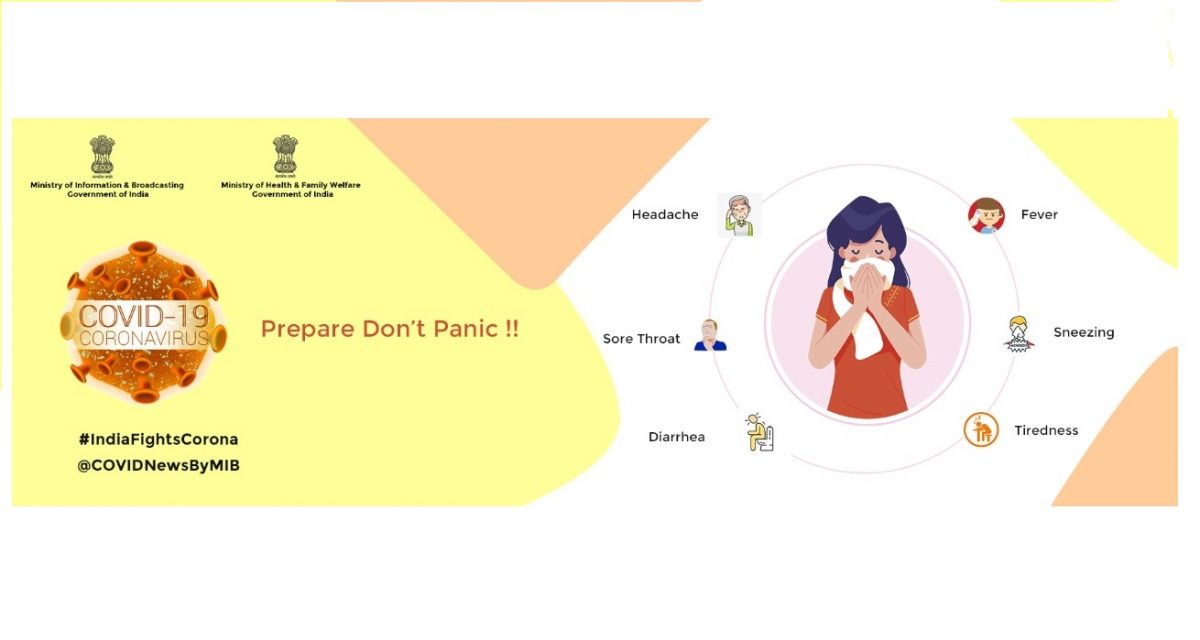
The most direct link between Swachh Bharat and the Wuhan Virus spread is the general levels of dirtiness in public spaces in urban India. The most common problems are littering and spitting in public, of which the latter is a bigger concern. Spitting has been a problem – once earning the Railways a whopping Rs 13,000 at a single railway station in West Bengal in a mere six hours. Spitting is also problematic since human saliva can carry the virus. Along with spitting, there are also numerous instances of people blowing their noses or sticking chewed gum on surfaces that are equally dangerous.
In rural areas, the concern is with people using open areas rather than toilets. Research has indicated that the virus can spread through faecal matter, and this isn’t restricted to the current pandemic alone.
Coming Back To Swachh Bharat
In an article for Mint, Manu Joseph argues that the pandemic gives us a chance to transform the country. Joseph is right, for there are many things that can be changed – right from our public distributions system (PDS) to our public transport to education to the way we handle transactions. The last few days have seen Indians order online like never before – Amazon and Flipkart have both reported a major spike in orders. With washing hands and sanitising them being a major message being spread to remain clean, this author has observed small stores, vegetable vendors and others in Mumbai – a city known for running on cash – adopt digital payments over Paytm and the Unified Payments Interface (UPI). In education, Quartzreports that education technology (ed-tech) will witness a major growth. As for public transport, images of people stuffed like sardines in trains and buses while being required to maintain a social distance seals the deal.
While each of these needs to be dealt with separately, the one single thing that needs to be tackled with on a priority basis is cleanliness and hygiene.
Starting Small, Going Big
The ban proposed by Uttar Pradesh Chief Minister Yogi Adityanath on gutka and paan masala is the first step towards a cleaner environment. The state’s chief secretary Awnish Awasthi mentioned spitting in the open after their consumption as a key motivator behind the ban. By banning the products, the government is making it easier for sanitation workers.
Any plan towards hygiene and cleanliness will have to be divided into two phases – a short term one and a long term one.
In the short term, Swachh Bharat for urban areas needs to be carried out on a war footing. This includes proper sewerage facilities across the municipal limits of all major cities. To give an example, in 2013, the Bengaluru Water Supply and Sewerage Board said that the city would require a minimum of ten years for each household to have a water and sewerage pipeline. Such projects need to be fast-tracked at both the Central and State Level. Solid waste management needs to be improved across cities along with efficient garbage disposal systems. Redevelopment of slums too needs to be taken care of. It is disheartening that Asia’s second largest slum is located in Dharavi, Mumbai and despite the best efforts by former chief minister Devendra Fadnavis, the project did not take off. While bans on gutka and similar products are welcome, municipal corporations need to focus on tackling the menace of spitting, urination and defecation in public. Psychology plays an important role in this – a dirty space will attract more dirt, and cleaning it remains the only solution.
In the long term, the concept of cleanliness and hygiene needs to be given a heavier presence in our education system. Just like Swachh Sarvekshan gets cities into competition, each individual resident needs to take pride in their personal cleanliness, and this can only be achieved by ensuring its active presence in their education. Students must be taught not to litter, spit or defecate in public, and to segregate biodegradable waste from non-biodegradable waste – a crucial requirement that will also eventually bring down pollution in the National Capital Region. We also need to slowly shed our consumerist mindset and return to our roots of reduce, reuse and recycle as compared to the current use and throw model.
The Swachh Bharat Mission has a lot of impact on every individual present in society. Right from the poorest of the poor to the richest of the rich, everyone is impacted in various ways by the lack of cleanliness of public spaces and the associated risk of disease.
Bringing In More Innovation
When SBM was launched, it eventually saw a series of apps that helped users locate the nearest public toilet. Eventually tech giant Google too jumped on the bandwagon with a massive list on their Maps app. The next major innovation saw unmanned public toilets such as the eToilet being developed. Eventually, we might someday be able to offer cleaner toilets on long-distance buses as well.
On the matter of plastic waste, with the Railways’ setting up water vending machines that sell water for one-third the cost of a water bottle at major railway stations, we can slowly look at phasing out water bottles from railway stations.
With so many problems to be solved – from solid waste to landfills – the scope of innovation is endless. It is here that the Centre must consider giving focus to these sectors under the various StartUp India and the Atal Innovation Mission to get more research and development flowing in these sectors. The global pandemic might have sent our economy into a turmoil, but its silver lining is that when we emerge from this pandemic, we can build ourselves better and stronger.
This article was originally written in March 2020 and submitted to an online publication who decided not to run it. I’d really appreciate it if you could back me up by maybe becoming a patron?
We’ve all read Harry Potter. We’ve all seen the movies as well. In the third book, The Prisoner of Azkaban, we are introduced to the Knight Bus, a triple-decker bus. However, this variety of buses aren’t just a figment of a fantasy writer’s (I’m talking about J. K. Rowling) imagination, but did exist, but just not in the form that we’ve imagined.
Presenting, the triple-decker bus!
Built in 1932, the first triple-decker bus was made in Italy. While not much is known about the manufacturer, it ran between Rome and Tivoli and carried 88 passengers. The third level was essentially a smoking compartment and the bus had space for 440 pounds (200 kg) of luggage and space for dogs. It was 33.5 feet long and 11 feet wide and had a speed of 28 miles per hour (45 km per hour).
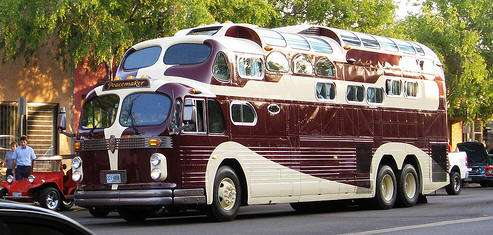
According to the Museum of Hoaxes, a second such bus was designed in the 1950s by the General American Aerocoach Corporation. This bus was similar to its Italian counterpart, that is the third level wasn’t much of a level. Here is an image of that bus.
GAAC’s Triple Decker
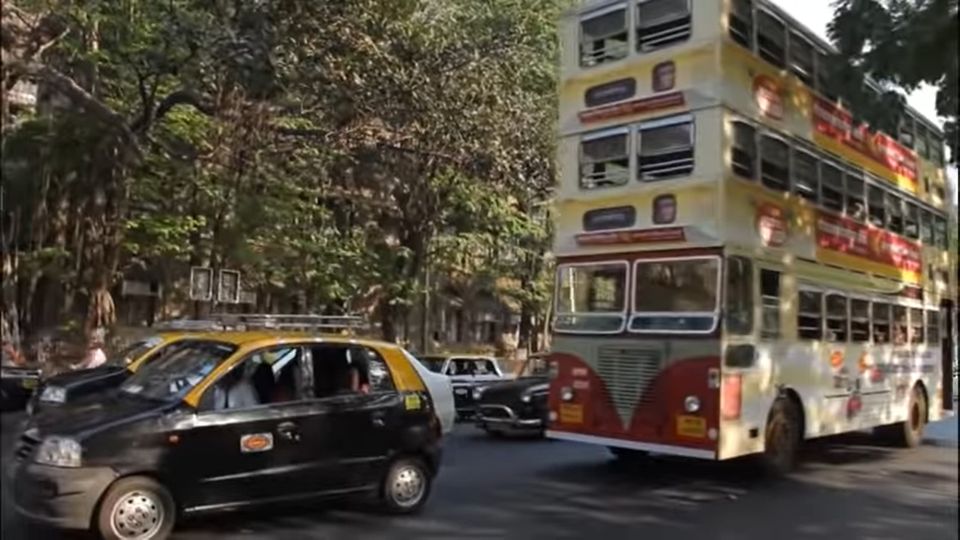
Fun fact, a video was uploaded on YouTube with a picture of a BEST Triple-Decker. This was essentially a Double-Decker photoshopped to have a third level. The uploader was obviously a prankster for they claim to have been shocked when they saw it outside Chhatrapati Shivaji Maharaj Terminus and shot a video of it. (This was in 2013).
The closest we’ve ever got to making a real Triple-Decker bus, was the Knight Bus in Harry Potter. It was made by taking apart the upper deck of a London AEC Regent III RT bus and grafting it atop another such bus. Below is a picture by Robert Clarke.
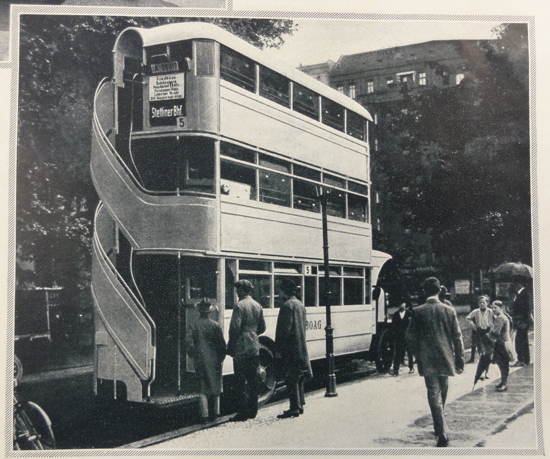
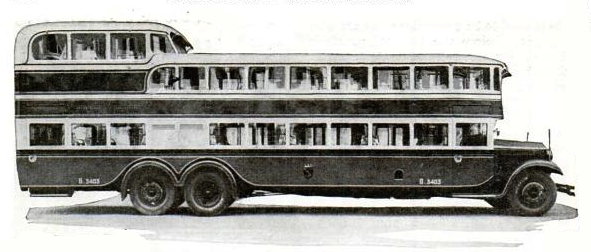
In 1926, a German magazine called Echo Continental which was the trade magazine of German automobile parts manufacturer Continental AGpublished a picture of a triple-decker bus. Sadly, it was on 1 April. Here is an image of that bus.
Triple Decker Bus from Echo Continental
So, will we ever see a Triple Decker Bus? Maybe. You never know, but someday, we might just see one. Till then, you can have fun on a Double Decker bus.
If you, like me are stuck at home during the Covid-19 outbreak and are looking for a safe way to get to work, then KontorSpace has found a solution for you.
Simply head to this url: https://bit.ly/WorkTravelAlternativesThisWeek and enter the name of your city in the list. I’ve tried it out with the following cities and it works: Mumbai, Navi Mumbai, Thane (no, Thane is not a part of Mumbai), Bengaluru, Hyderabad, Chennai, Delhi, Gurugram and Ahmedabad.
It works well. Go ahead, try it out.
And a special thanks to Kontor Space for the amazing service.
Last week, trains, buses, metro all were operating at half capacity.
BEST banned standees, while the metro asked people to sit in alternative seats. They also then reduced services by half.
🙏Mumbaikars are requested not to travel standing in the BEST buses from tomorrow onwards as a preventive measure against the prevailing #COVID19 situation in the city. #bestupdates#Mumbai
Because it leads to overcrowding because not all people could work from home.
Plus, many were trying to get home.
Abandon! The attempt to lock down due to #CoronavirusOutbreak is having an opposite effect. More crowding at stations as people are swarming trains to leave the City of Dreams -Mumbai, going back to native places. Railways running special one-way trains to facilitate them now… pic.twitter.com/DazO1PtkcW
Note: This was before a complete lockdown happened.
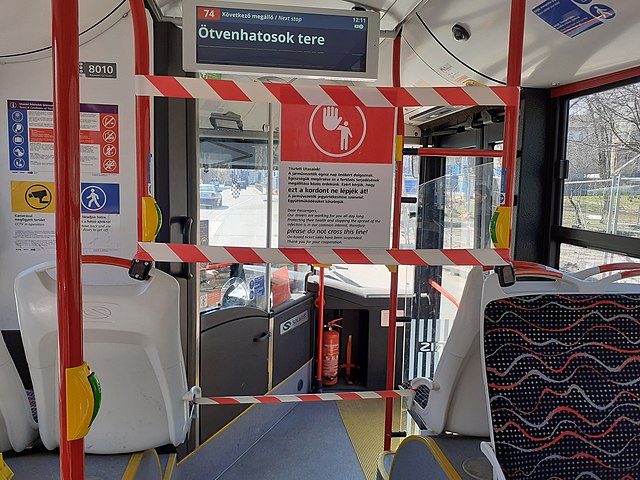
Featured Image: Closed section near the driver’s cab from the interior in trolleybus 8010 on Line 74 in Budapest, at “Ötvenhatosok tere” trolleybus station. The section of the trolleybus near the driver’s cab is closed to protect the driver from the threat of coronavirus infection. (Vauia Rex/ Estonian Wikipedia)
In the wake of the ongoing Covid-19 pandemic, our transcos have gotten aggressive in cleaning up their vehicles for better safety of passengers.
Indian Railways on its part has gone straight to announcing that it would no longer issue blankets to AC passengers and has asked them to bring their own.
Reliance Infrastructure-led Mumbai Metro One Private Limited (MMOPL) issued an advisory followed by a thorough scrubbing of trains.
The Railways’ have also set up infrared temperature scanners.
Well, @Central_Railway Mumbai puts up infra-red temperature scanners at entry point of four railway stations in city from today– CSMT, Thane, Dadar and Kalyan. Will be voluntary, not compulsory. @mid_daypic.twitter.com/7LZuxiaKyh
While most people have carefully chosen to refer to the virus as Coronavirus or Novel Coronavirus and made claims that calling it Wuhan Virus is racist, it isn’t. Outbreaks have for long been named after geographical regions. Examples include Ebola, named after the Ebola river, Lyme disease, named after Lyme, Connecticut, the Spanish Flu, Hong Kong Flu and of course, Delhi Belly.
Another Addendum:
The Ministry of Health, Vietnam has released a very catchy song about washing hands. Do take a look here.
I took a Rapido to work today, and now I want the government to legalize bike taxis.
This morning, when I left for work, I decided to try something different. I normally take an Uber Pool or Ola Share to work because of Bangalore’s acute lack of proper transport services. Sharing a ride makes sense for a middle-class professional in his mid-20s because it’s cheap, and it’s faster and more convenient than a bus.
However, today the city witnessed some major traffic snarls and fares were, naturally, on the higher side. Looking at my options, I decided to try Rapido — a bike taxi aggregator. While I was experiencing a similar experience to my usual ride, I was surprised, for the ride was much faster and much more comfortable. The reason is simple common sense — bikes can navigate congested areas better.
The interesting thing, however, is that bike taxis are banned in the states of Karnataka and Maharashtra — two states that contribute the lion’s share to India’s economy. While the concept of bike taxis is not exactly new to India — they have been operational in the state of Goa since 1980 — the Uberization of the segment is, quite obviously, a recent affair.
Too Many Regulations, Too Many Obstructions
Maharashtra’s Transport Minister was quoted saying, “Such taxis are extremely unsafe and should not be allowed.”
Due to the highly regulated nature of the economy, nobody really worked on getting bike taxis on the street. At the same time, due to the licence permit raj, many states withheld the issuance of taxi permits leading to an artificial scarcity in the sector. Further, India’s quasi-federal structure puts the power to make decisions of this nature in the hands of the state and not the city under the framework of the Motor Vehicles Act of 1988 and its various state-level counterparts. However, the neo-liberal regime of Atal Bihari Vajpayee in 2004 ensured that the only requirement for bike taxis was a commercial registration along with a yellow registration number plate.
In 2015, there were several companies such as HeyTaxi, HeyBob, m-Taxi, Baxi, and more operating across various cities. Barely two weeks after HeyTaxi rolled out its services in Mumbai, the Maharashtra state government decided to ban it, although the service continues to operate, albeit using loopholes in the law. When Uber and Ola launched their Uber Moto and Ola Bikes platform, they were quickly hounded out of several states with vehicles seized for mundane reasons from lack of permissions to lack of yellow number plates.
Maharashtra’s Transport Minister was quoted saying, “Such taxis are extremely unsafe and should not be allowed,” even though the state was planning to regularize them. Karnataka went to the extent of banning not only bike taxis, but also bus services operated by Ola and also tried to ban UberPool and OlaShare earlier this year, all while citing sections of the nearly 30-year-old MV Act. The state then took itself back to the Stone Age with a ban on pillion riders on bikes whose engine capacities were below 100cc.
It is, however, interesting to note states such as Telangana, Haryana, Punjab, and Rajasthan have deregulated the sector, allowing bike taxis to ply their trade. In Punjab, the government launched a subsidy program to offer two-wheelers, which — although a form of socialism — is still better than a complete ban. Rajasthan and Telangana both signed a Memorandum of Understanding with Uber, with Telangana going to the level of having its Information Technology minister take a ride along with former Uber CEO Travis Kalanick.
Bike Taxis Are Great. Why Ban Them?
As a regular commuter, the average working professional is more likely to understand the travails of the daily urban ride. Government officials rarely take public transport, often having their own chauffeured cars which completely insulate them from what we would have to go through on a daily basis. Along with this, government transport projects usually follow a “one size fits all” approach that creates a homogenous transit network in a heterogeneous society. The benefits of ridesharing are there for all to see. It affords people the chance of a better lifestyle — one they may have never imagined previously. It provides better options to the daily commuter and helps a lot in clearing up the transport mess that our cities are subject to.
Why not stop the whataboutery and legalize them?
For the driver, bike taxis have a higher return on investment. The most common bike in India, especially for taxis, is the Hero Splendor that costs around ₹50,000, depending on the state. In contrast, the most popular car that is used for ride-sharing, the Maruti Swift Dzire Tour, costs upwards of ₹500,000 for the diesel-powered variant. Fares for bike taxis vary anywhere from ₹2 per kilometer to ₹6 per kilometer, significantly cheaper than a shared or pooled ride.
Many a bike taxi driver moonlights as a delivery person for food delivery platforms as well, so why not allow them to engage in productive labor when they’re otherwise idle?
The biggest plus point is that you get to see more women drivers around. Women in India have preferred two-wheelers to four-wheelers for decades now and with issues cropping up about the safety of women, especially since there is only one other person on a bike, it makes a lot of difference. After UberMoto’s launch in Haryana, a woman in Gurgaon completed a thousand trips in a year.
When it becomes so apparent that bike taxis take the benefits of ride-sharing a step further, why not stop the whataboutery and legalize them? More operators will also mean better services — drivers often switch providers depending on the prevalent fare. Also, given that it is clear that it benefits women as well, it should be legalized on a priority basis. Concerns about safety in terms of drivers assaulting and harassing people is on an unfounded basis — it is a two-wheeler; doing anything will certainly cause an accident.
Hindering innovations like bike taxis is only going to take things several steps backward. The lack of an open operating environment will slow down — or even stop — innovations in the manufacturing industry. The freedom to operate bike taxis may see increased research and development in making bikes more efficient, faster, and safer. Given how not only bike taxis but also pillion riders are being made unwelcome, innovation will just keep stagnating.
Nightlife And The Evening Economy: Aaditya Thackeray Seems To Have Understood It Well, When Will Others Follow Suit
Yuva Sena President Aaditya Thackeray last week (20 December) tweeted out that state government (of which the Shiv Sena is a part) had notified a proposal titled ‘Mumbai 24 hours’. The proposal in question, spearheaded by the junior Thackeray seeks to allow businesses to stay open 24 hours.
Often 24 hour cafés are in 5 star hotels but the ones I’ve proposed are in non residential areas, malls, mill compounds- accessible to the common man. Leisure time for hard working Mumbaikars is a must
Now it is worth noting that Thackeray mentions establishments outside of five-star hotels in non-residential areas that can be accessed by all and sundry. This seems to be a good move to ensure that nightlife in the country’s financial capital is given its due, since most establishments down their shutters by 2 am.
Why is nightlife important?
The ‘regular’ society usually goes to sleep at night and wakes up the next morning to continue their life. However, with the advent of globalism, world is fast-changing to adapt to 24-hour activity. Take the example of the information technology (IT) and the IT-enabled services (ITES) sectors. Both of them – predominantly dealing with clients in the west – are pretty much active the entire day. Even the media, today functions round-the-clock. Freelancers across various industries too are active across the day, not just to deliver to foreign clients, but also within the country.
With establishments being active throughout the day and night, it gives people an opportunity to venture out at night for various reasons. Many a café that offers internet connectivity attracts people looking to get work done.
Mumbai, like most other metropolitan areas in India is home to numerous startups. Startups, by virtue of being startups invariably see a flexible work schedule usually running beyond the confines of sunlight.
Many such entities operate out of cafes and other establishments (including shared workspaces) due to the lack of a physical office and would thus be the biggest beneficiary of such a move. They could now hold meetings, meet people or just get some work down outside of their usual spaces.
A shift in a city’s operations
Night-time has hitherto been the domain of young partygoers. Work usually takes a backseat, but off-late it has seen an increased presence in major cities.
This brings about another important factor: Crime. A lot of crimes take place at night when fewer people are out. If more people venture out, it would in essence make it more difficult for criminals to strike. This sends out an important point to the law enforcement: Increase patrolling at night. However, in a country like India, it might see an increase in moral policing as well.
The next logical step for the administration is to increase the availability of public transport at night. With the advent of ride-sharing, traveling at night is an easier affair, but then ride-sharing is not everyone’s cup of tea. More buses and trains in the night will mean people who stay out late or have to leave in the dead of the night will have transit options, thus leading to better productivity in terms of real-time activity.
However, nightlife does come with a rider – those who venture out at night must accept that they face the risk of being the victims of a crime. Conversely, it also indicates that law enforcement must step up to ensure better vigilance and patrol at night.
While Mumbai doesn’t have a sizable amount of industries that operate throughout the clock-cycle, other cities such as nearby Pune and Bengaluru do. For many an IT employee, working the night shift usually means the lack of access to a restaurant or café in the event they want to go out. Shouldn’t they too have the freedom to go to an establishment at any time of the day?
Thackeray, being a youngster, clearly understands the advantages of having a continuously operating city. Perhaps it is time that other cities too, take a look at it.
Now for the transit
It is imperative that public transit remains functional all the time. The Suburban network shuts of for 2.5 hours in the night. The Metro shuts at midnight. Why not have them operational round the clock? Let buses run at night too, not just BEST, TMT and NMMT, but also MSRTC. The last Shivneri between Mumbai and Pune leaves at 11-11.30 in each direction. It needs to operate even at night, at least towards Mumbai.
Having any time transit is the first step to more economic activity and productivity.


.jpg)