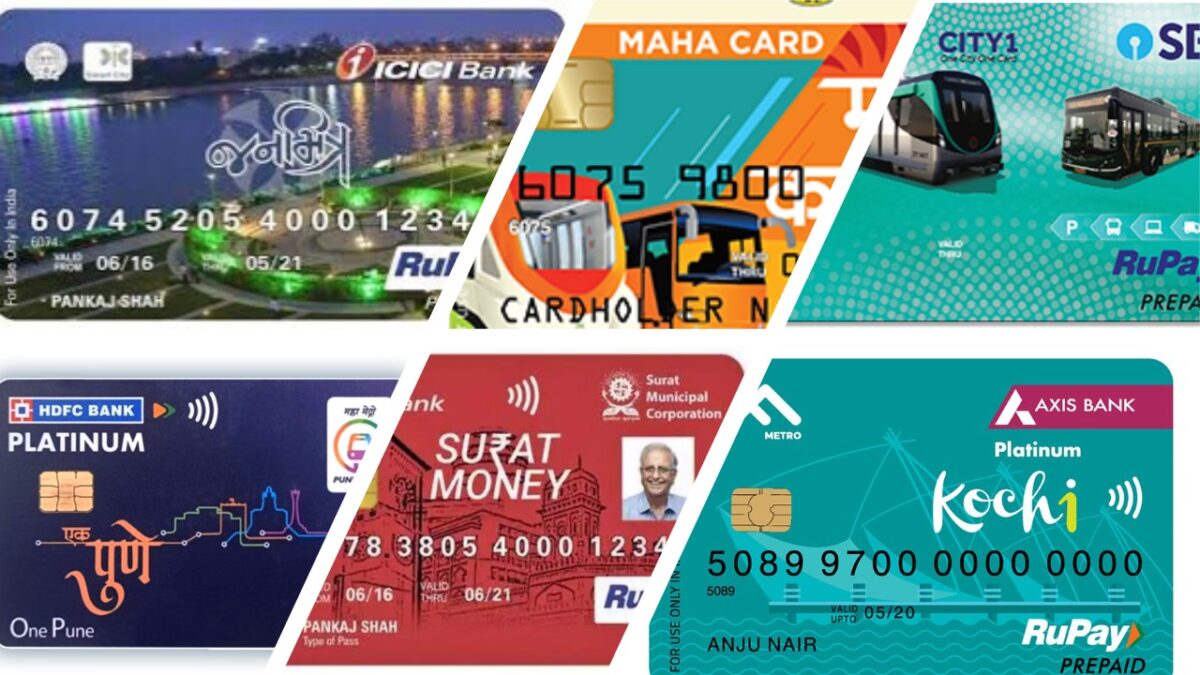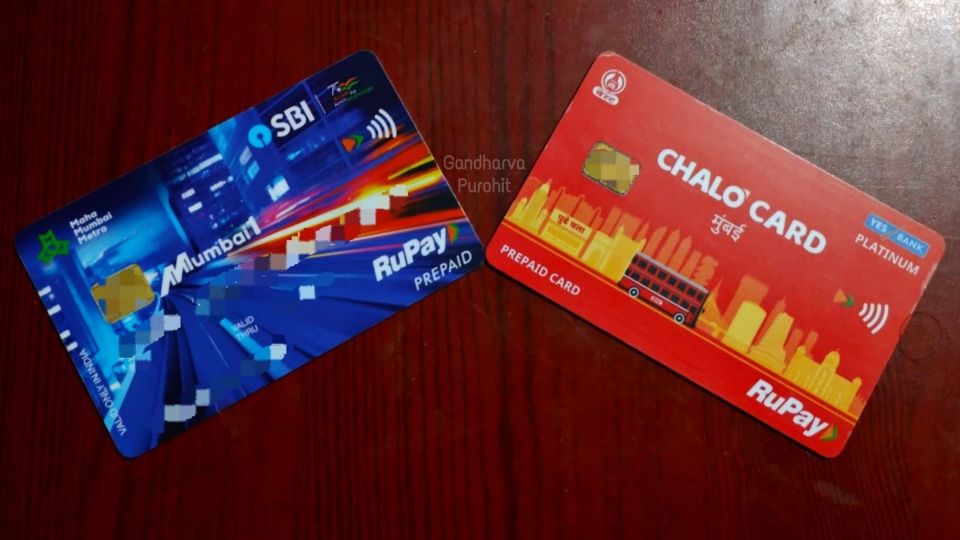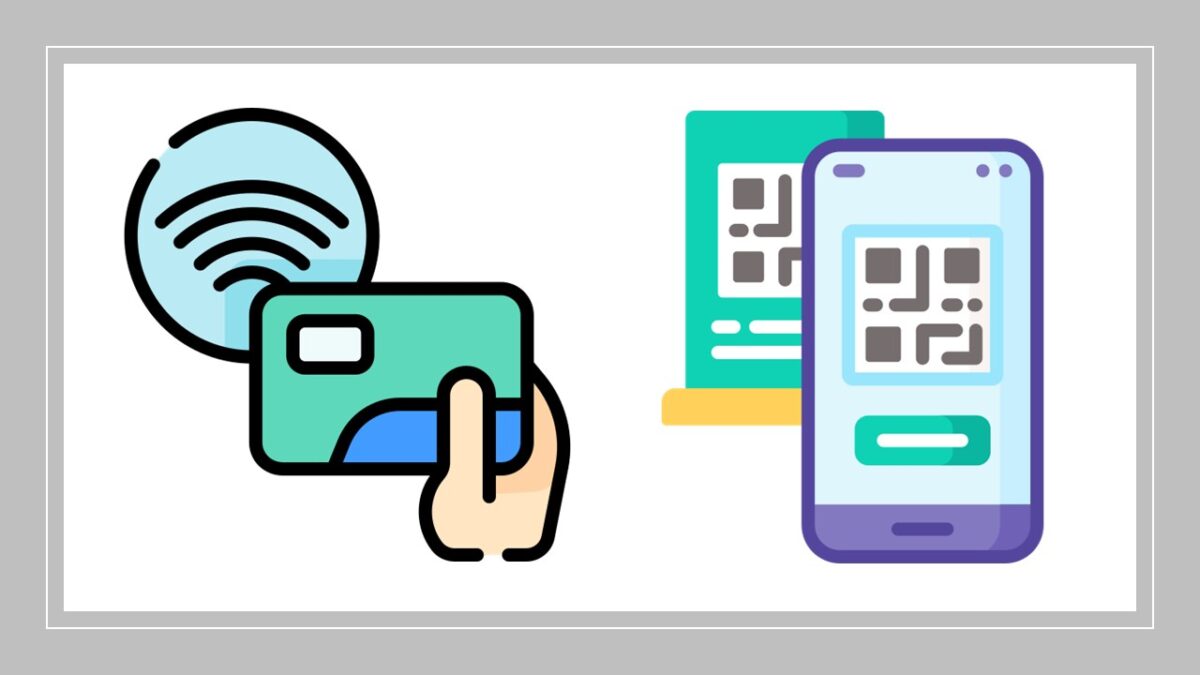
So, one interesting debate that has happened recently is the question of which is better on a bus – the Unified Payments Interface (UPI) or the National Common Mobility Card (NCMC).
Interestingly, a lot of people (who don’t seem to use public transport, as evident from their tone) believe that UPI is a far superior option. In fact, in one discussion on Twitter (I refuse to call it X), I was told by a self-described techbro that UPI is convenient as people have their phones handy and use UPI to buy chai and flowers, and specified that taking out the wallet to take out an additional card in a crowded bus was a burden and not advisable. Sure, but typing out my UPI PIN in front of 30 other people is kosher. Or making others wait while you enter your pin, and the transaction takes its time is absolutely alright.
But let us not digress. We’re now solely looking at which is better, NCMC or UPI. UPI is a great option if either you or the conductor does not have change (or cash for that matter) and you don’t have an NCMC as well. Conversely, if everyone is accepting NCMC and you have one, you can use it here too, right?
Now, in order to test this hypothesis (if you can call it one that is), I used both NCMC and UPI to buy tickets. I used the NCMC at two places: BEST in Mumbai and MTC in Chennai and UPI at two places: BMTC in Bengaluru and MTC in Chennai.
Note: If you want to buy a bus ticket on BEST with your phone, then you’ll need the Chalo app. You can buy tickets, passes and more on the app. Gandharva has covered it here: Chalo, Aage Badho: Getting Familiar With BEST’s New App For Tickets
Now, coming back to NCMC vs UPI.
Let’s start with NCMC. It’s easy to use. In most cases, you hand over the card, say NCMC or Metro Card and that gets the job done. With BEST, I was unsure if my RBL NCMC would work, the conductor reassured me by saying that “he’d make sure it worked”, while with MTC, I have told most conductors that it is a valid card and that I have used it before but eventually they accept it. The whole process is quick, takes about five seconds and is often faster than cash because the conductor does not have to count for change. There’s really not much to say because it is a fairly simple and straightforward process. The only time consuming part is to convince the conductor that the card is valid. This has happened with my RBL, Ongo and Airtel cards.
The only issue is that the card needs to be topped up after 20 or so transactions (some lame protection feature apparently) and this happened with me recently. The conductor topped my card up for ₹0. Since my phone supports NFC, I figure the easiest workaround for this is to top up the card for smaller amounts, rather than loading it up for the entire ₹2000 that the card can support.
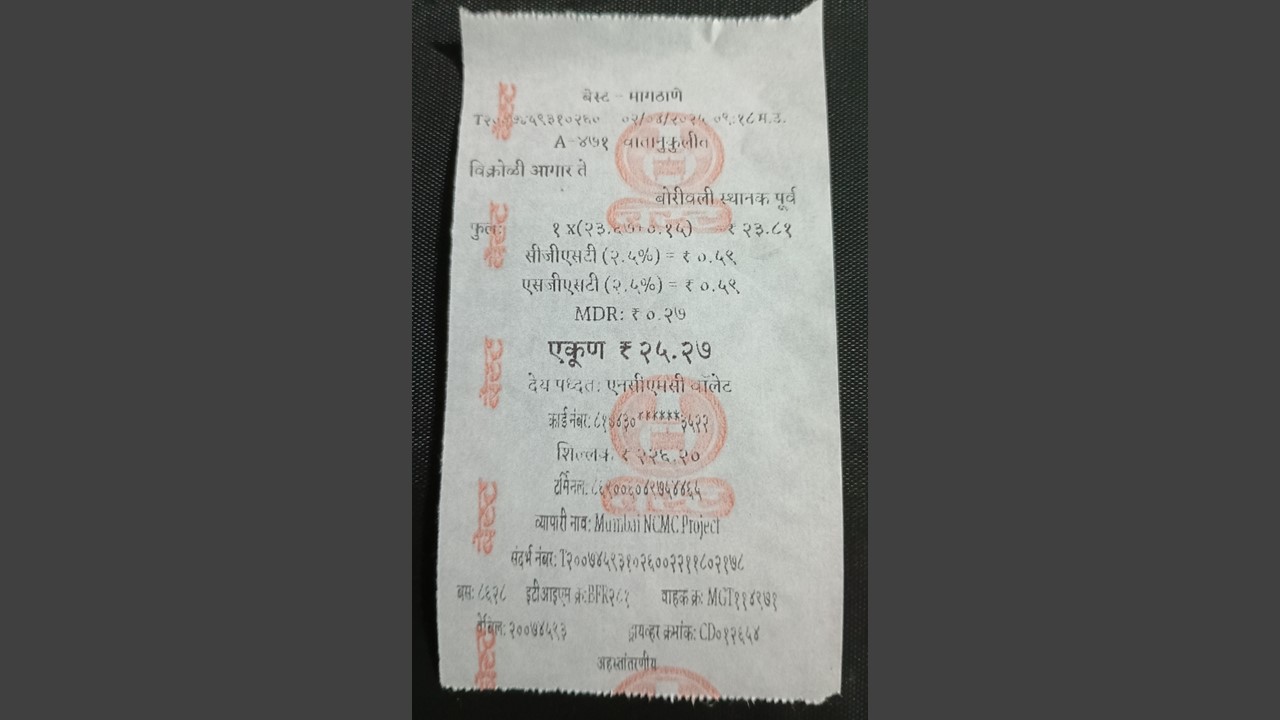
Another issue is that of the Merchant Discount Rate (MDR). Some transport companies charge extra for this, such as BEST, while most absorb it into their fares. Here is a quick breakdown of BEST’s MDR charges for different fare stages (Regular/Limited/Express/AC):
₹5 – 6 paise
₹10 – 11 Paise
₹15 – 16 paise
₹20- 22 paise
₹6- 7 paise
₹13- 14 paise
₹19- 21 paise
₹25- 27 paise
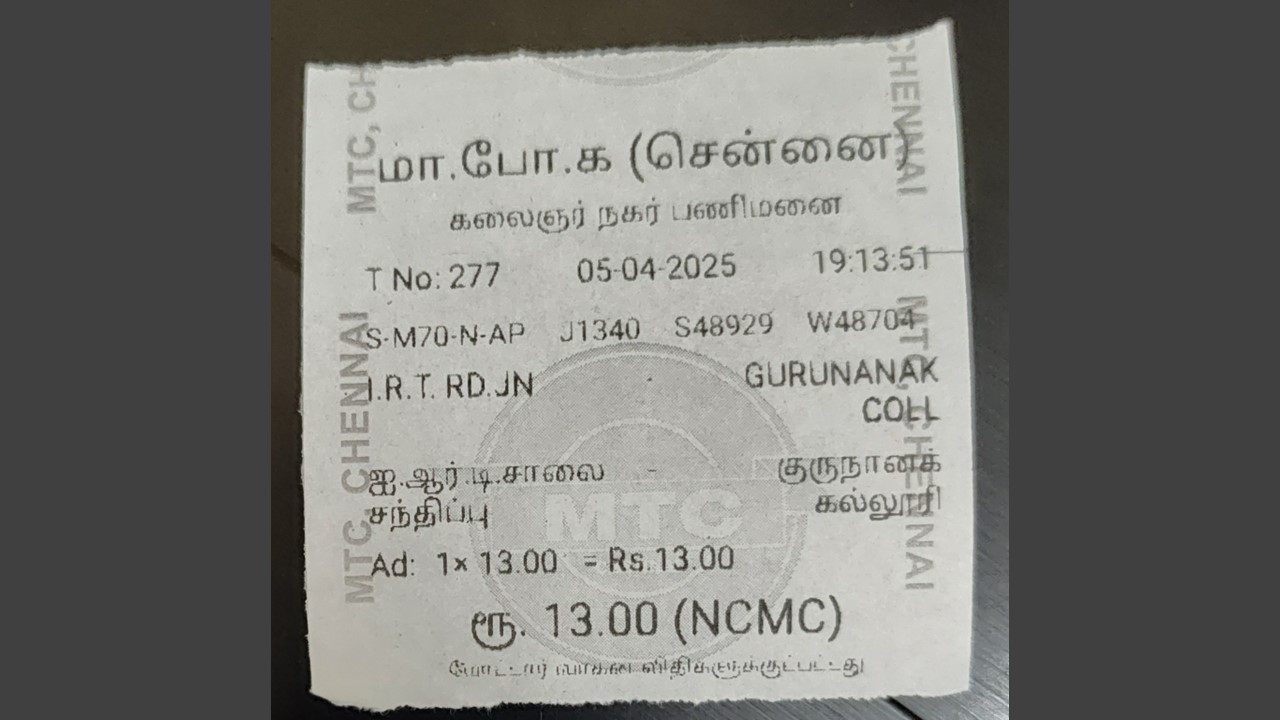
Now, coming to UPI. This is where things get interesting. I’ve used two different methods of paying via UPI. One is with a static QR Code on BMTC and the other is with a dynamic QR Code on MTC.
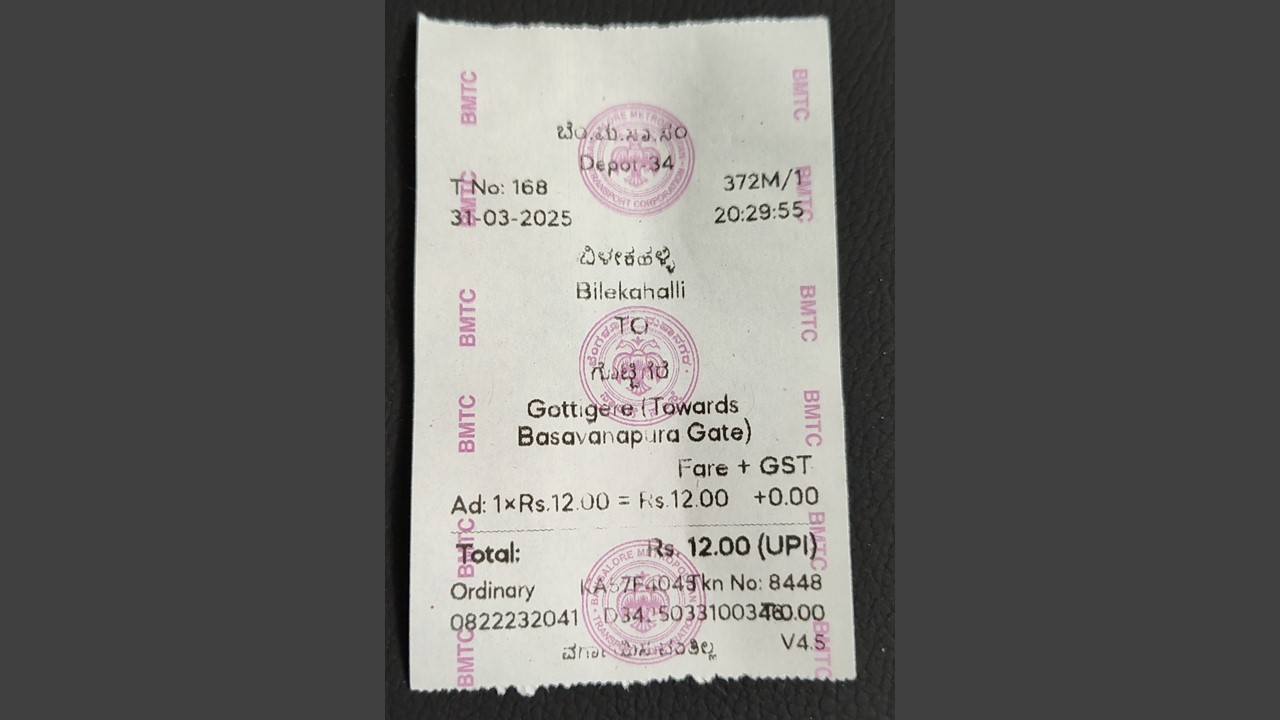
Now, the BMTC model is very simple. BMTC began accepting UPI payments in 2020, during the lockdown to reduce contact between passengers and commuters.
BMTC Finally Starts Cashless Ticketing, Uses UPI-Based QR Codes For Transactions
Each bus has its own virtual payment address (VPA, often erroneously referred to as UPI ID) which is the bus’ registration number attached to a Canara Bank Account; Eg: KA57Fxxxx@cnrb. QR Codes for the same are pasted in different parts of the bus, and in some cases, they are also present in the transparent grab handles of the bus.
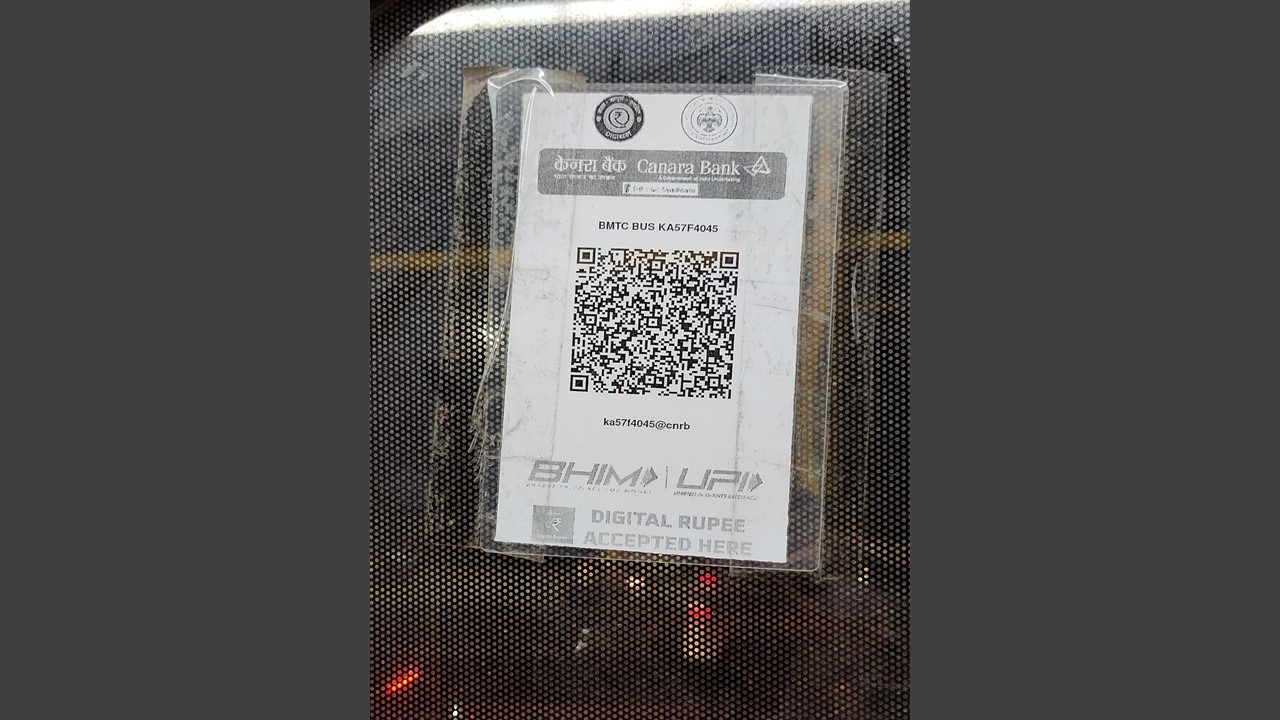
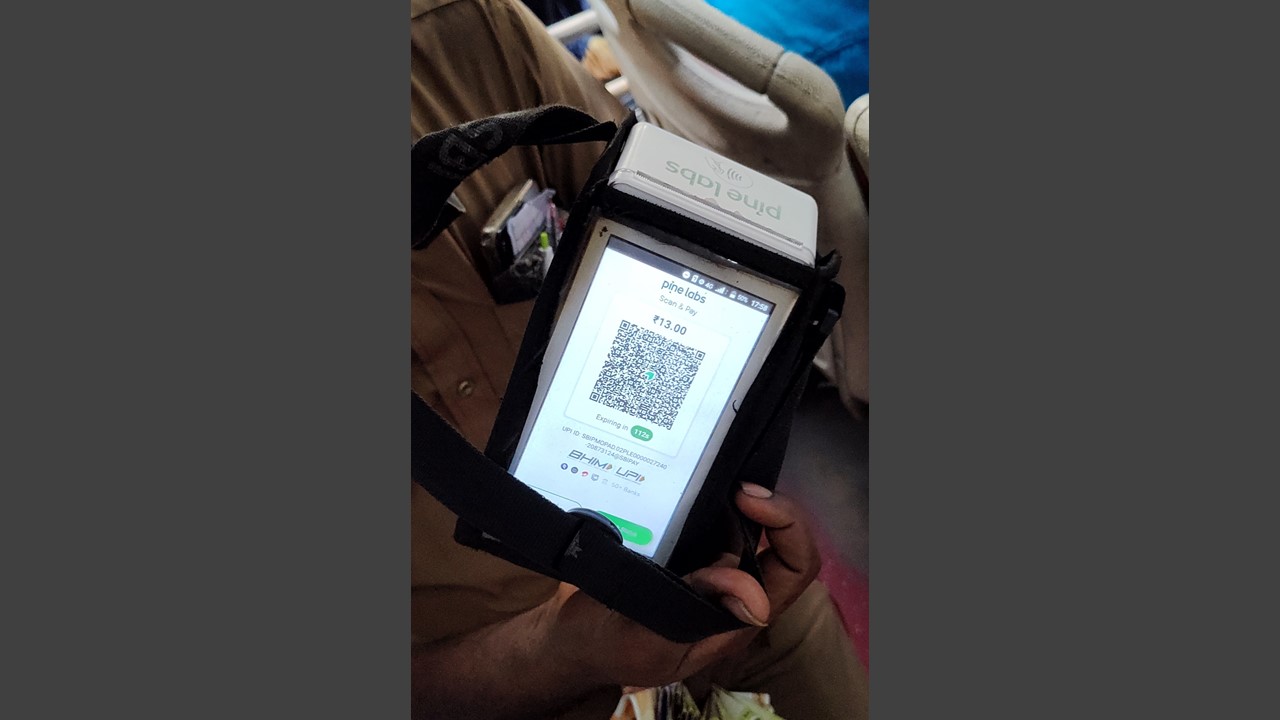
In my case, neither the conductor, nor I had change, so he told me to scan the QR Code and pay. I did, showed him the successful transaction screen and he issued the ticket. This method is extremely popular with passengers using it for as low as ₹5. However, there seems to be no way for the conductor to validate the payment. However, since the ticket machine being used is a standard Pine Labs point-of-sale device, maybe it appears there. This being said, it is high time that BMTC and Canara Bank adopted the NCMC. The process is reasonably fast, although it depends on how fast your internet connection is and multiple people can pay simultaneously making it relatively faster than dynamic QR Codes.
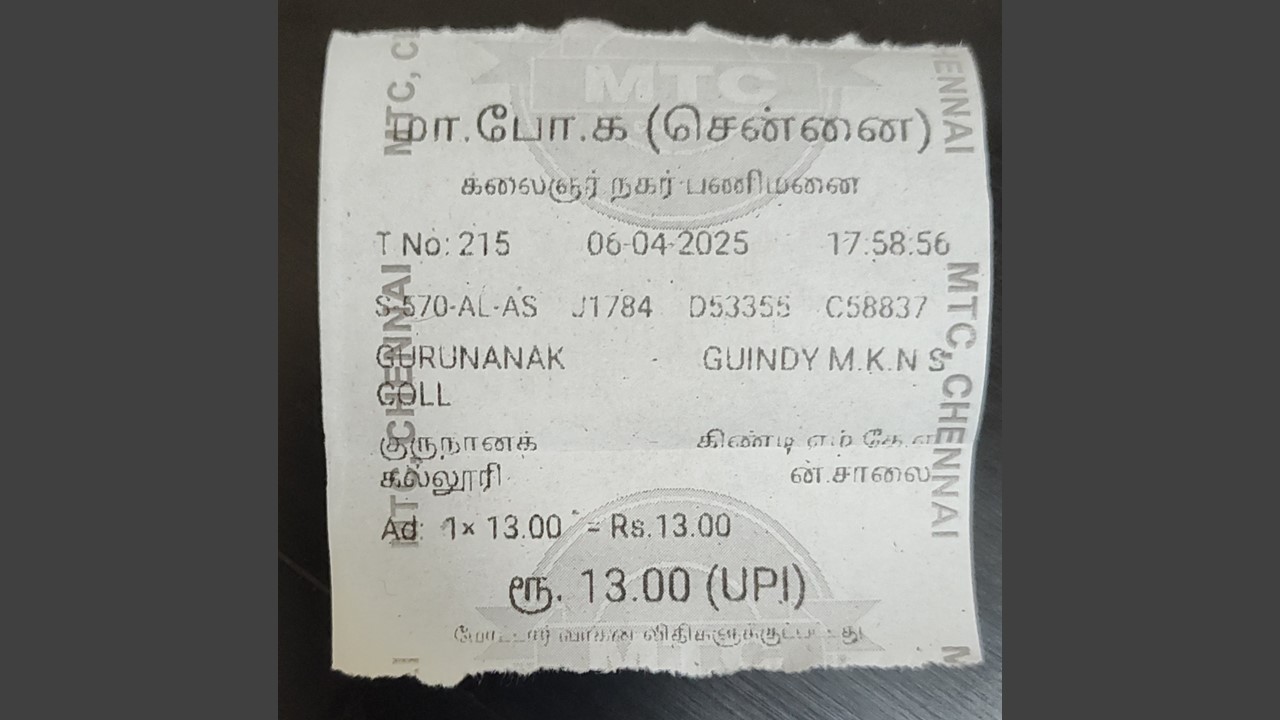
Now, coming to the Dynamic QR Code. Here, the conductor has four options on the ETM – Card, UPI, NCMC and Cash. When the conductor selects UPI, it generates a dynamic code that one scans and makes the payment. This is time consuming since it also depends on the speed of the internet on the ETM as well. Only after the QR Code is generated, can you make the payment. Thus, the total time taken to print the ticket takes close to 10-15 seconds. A downside according to me is that the QR Code appeared as invalid on MobiKwik, forcing me to use GPay. The QR Code must be compatible with all payment apps under NPCI’s BharatQR system.
Overall, it seems that the NCMC is ahead, but let me share two instances that make it the clear winner.
The first instance. A few weeks back, I was traveling to Bangalore. Now recently I have been getting off at Shanthinagar TTMC (Atal Bihari Vajpayee TTMC ) and taking a bus back home. I usually pay by cash but on this day, I had only a ₹500 note on me. This was the week after I first used UPI to buy a ticket. Unfortunately for me, my phone battery ran out, and for some reason, my phone refused to charge, either from my battery pack or from the USB port on the bus. (The cable was at fault, I bought a new one). Which meant that without a phone, I had to pay in cash, which was also a problem since I didn’t have change. Eventually I managed to make change at a shop inside the terminal, albeit the shopkeeper gave it to me grudgingly.
The second instance is a more recent one. On 12 April, UPI services faced a five-hour long outage. This was the longest in over three years and one of four such outages over a three week span.
Now, both these instances were unprecedented and of course problematic.
So, what could be the solution? Going back to the Card? Maybe. At least with Transit.
UPI was introduced to ensure that transactions were conducted domestically, therefore reducing their costs. But then, NCMC is entirely built atop the RuPay platform which operates domestically, unlike Visa, MasterCard, American Express, or Discover.
This is not to put down UPI however. It is a fantastic platform. However, in cases like public transport, which experiences high volume density of transactions, it makes more sense to use the NCMC.
What are your thoughts? Do let me know in the comments section below.
Recommended Reading: The Best Interface is No Interface by Golden Krishna